
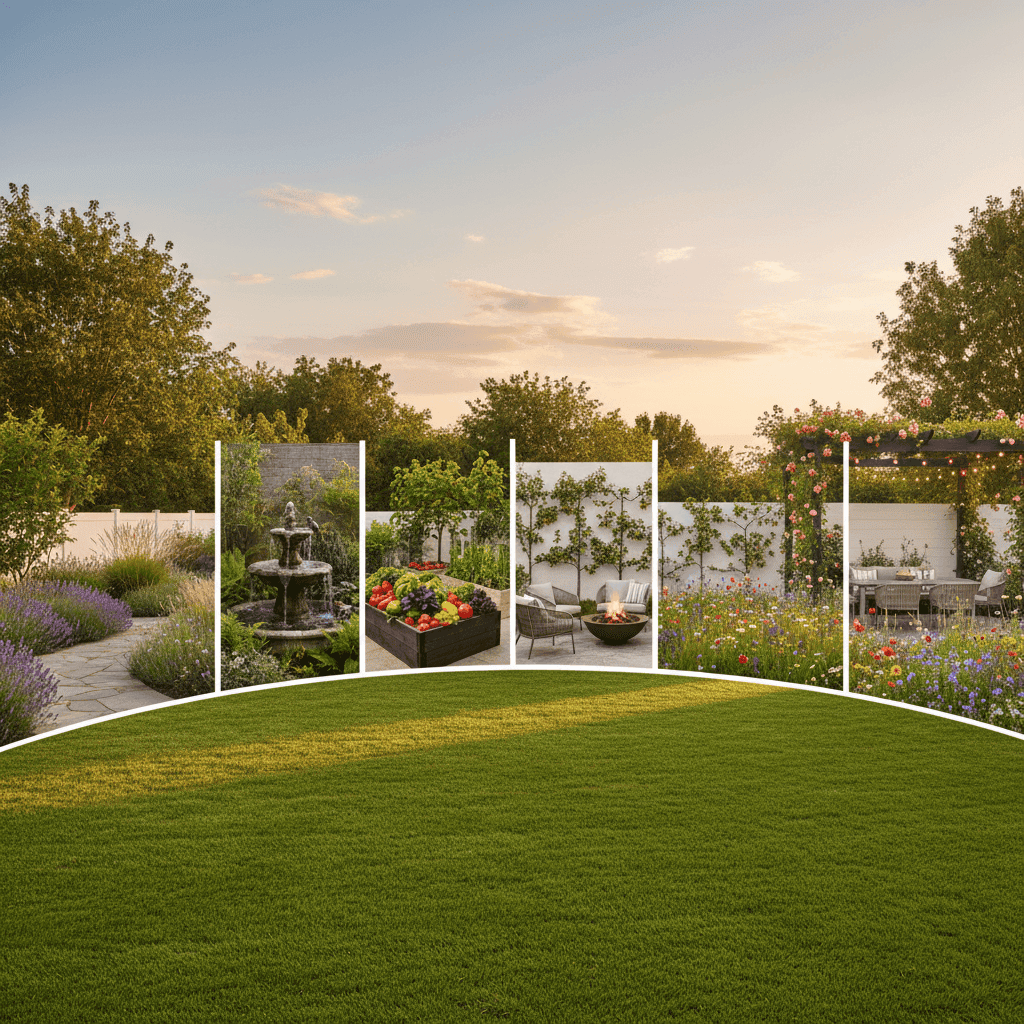
Want a yard that catches neighbors’ eyes and makes you smile each morning and night If your grass looks worn out or your flower beds seem old-fashioned there are easy fixes you can try today to breathe new life into your space without tearing everything up This guide shows seven smart ways to create lawn envy and turn your outdoor area into a neat and welcoming place you’ll love spending time in
Each suggestion below includes hands on tips and common pitfalls to avoid so you can plan the work in stages or hire help for the heavy lifting One helpful local option for homeowners in Atlanta is Weed Pro lawn care in Atlanta which can handle tasks from soil testing to mowing schedules and pruning
1 Test Soil and Correct Nutrient Needs
Healthy grass and plants begin below the surface A soil test tells you pH and nutrient levels so you can pick the right fertilizer and lime Most county extension offices provide inexpensive kits or send you to a lab for analysis
- When to test Plant in early spring or fall for the most useful results
- What to expect Results will show nitrogen phosphorus and potassium plus pH and sometimes micronutrients
- How to treat If pH is low a lime application will raise it If certain nutrients are lacking choose a product labeled for those needs and follow package rates
Overfertilizing is a common error It leads to lush top growth that stresses roots and increases mowing frequency Apply products in recommended amounts and monitor progress over a season
2 Improve Mowing Habits for Greener Turf
Mowing is the most frequent chore for a healthy yard but small changes in technique produce big gains Keep blades sharp and follow three simple rules
- Cut no more than one third of blade height at a time to avoid shock
- Set mower height to suit your grass type taller heights help drought resistance and reduce weeds
- Vary mowing pattern to prevent soil compaction and ruts
A quick example If you have a cool season grass like tall fescue aim for a final height of about three to four inches Warm season grasses like bermuda prefer shorter heights during active growth
3 Water Smart to Save Time and Improve Roots
Too much frequent watering encourages shallow roots while infrequent deep watering produces stronger turf Water early in the morning for best uptake and to limit disease pressure
- Goal Water deeply once or twice per week rather than every day Aim for about one inch per week including rainfall
- Use a rain gauge or simple container to measure output from your sprinkler system
- Consider a timer or controller that allows different schedules for sunny and shady zones
If you see footprints in the grass that do not spring back you likely need deeper watering and time for recovery Adjust schedules seasonally to match growth and temperature
4 Use Aeration and Overseeding to Repair Thin Areas
Compacted soil and heavy wear create thin turf spots Core aeration removes plugs of soil to increase oxygen and water movement This is an ideal time to overseed worn areas
Timing and technique
Aerate in spring for warm season grasses and in fall for cool season types Use a core aerator not spike tines which can make compaction worse
Seed selection and aftercare
Match seed to your existing grass type or choose a blend noted for shade tolerance and disease resistance Lightly rake seed into aeration holes keep seedbed moist until germination and avoid heavy traffic for several weeks
5 Upgrade Edging Mulch and Beds for Visual Order
Neatly edged beds and fresh mulch make a yard look maintained without changing plants Edging keeps lawn grass from creeping into flower beds and gives a clean line for mowing
- Choose a durable barrier like metal or brick for high traffic areas
- Apply two to three inches of mulch around plants to suppress weeds retain moisture and moderate soil temperature
- Replace mulch annually and refresh bed edges each spring to keep the look tidy
Add a seasonal border planting such as low flowering perennials or ornamental grasses to bridge the transition between lawn and beds This reduces abrupt edges while giving year round interest
6 Choose Plantings for Purposeful Color and Texture
Plant placement matters Think about sight lines where people pass or look from windows Use a mix of evergreen shrubs perennials and annuals to maintain form through seasons
- Group plants in odd numbers for a natural feel and avoid tiny single specimens in large beds
- Pick varieties suited to your light conditions full sun part shade or deep shade
- Include at least one shrub or tree to act as a focal point and give vertical structure
For example a trio of mid height shrubs in front of taller evergreens creates depth Add a seasonal flowering border with daisies or salvia for midsummer color and a layer of low groundcovers to suppress weeds
7 Maintain a Simple Seasonal Schedule
Breaking maintenance into small seasonal tasks keeps the work manageable A basic schedule avoids neglect and spreads costs over the year
- Spring Inspect irrigation sharpen mower blades control broadleaf weeds and apply starter fertilizer if needed
- Summer Monitor water apply targeted insect or disease treatments and mow at the right height
- Fall Aerate overseed and apply a winterizer fertilizer suited to your grass type
- Winter Prune damaged branches and plan any larger changes for the coming year
Create a checklist and set reminders for key activities This prevents backlogs and reduces the urge to rush large projects at once
Practical Tips for Saving Time and Money
Small investments in tools and planning pay off over multiple seasons A few practical ideas
- Rent a core aerator for a day rather than buying one unless you have repeated use
- Buy seed and fertilizer in bulk for larger properties and store correctly to preserve shelf life
- Swap labor You might trade planting help with a neighbor for mutual benefit
- Focus on high return areas such as front yard curb appeal and primary viewing angles instead of trying to overhaul the whole property at once
Learning to identify and treat problems early reduces repair costs For common pests and diseases consult local extension publications for step by step remedies that match your growing region
Refreshing a yard does not require a large budget or a full redesign Start with one or two of the methods above and track progress Photograph problem areas before work begins and again after each season to measure improvement
Ready to get lawn envy Take a look at your property with an honest eye and pick the top three actions that will create the most visible change for the least effort Commit to a simple seasonal plan and follow through with scheduled tasks If complex issues such as persistent weeds compacted soil or an aging irrigation system are holding you back consult a reliable local provider for a site visit Regular attention pays off with lower repair bills and a yard that feels inviting every day